





















Help Build a Regional Home for Wildlife Veterinary Care
As a not‑for‑profit, zoo‑based conservation organisation, our work to protect wildlife across Victoria is only possible thanks to the generosity of people like you. This end of financial year, will you help ensure sick, injured and orphaned wildlife in Victoria’s north has a place to receive specialised veterinary assessment and care?
When wildlife is sick, injured or orphaned in northern Victoria, it is often local community members and State government authorised wildlife shelters who respond first. These moments can be urgent and confronting, relying on volunteers who step in with little notice and limited support.
Caring for our native wildlife includes providing support for those that rescue and care for them. By ensuring every animal receives care from wildlife veterinary medicine experts trained in its unique needs - in a specialised facility - gives our wildlife a fighting chance to recover and be released back into the wild.
To improve access to animal trauma care services in regional Victoria, the Victorian Government has invested $2.8 million to create a new wildlife hospital at Kyabram Fauna Park. The generosity of donors like you, will help ensure this new hospital delivers the highest standard of specialised wildlife veterinary care for the region.
Will you support us to provide wildlife with high level expert care close to home?
Supporting the region that supports wildlife
Zoos Victoria operates the only dedicated wildlife hospital network across its zoos, staffed by wildlife-medicine focused vets and vet nurses, offering expert veterinary care, specialised facilities to provide comfort and hope to injured wildlife and the people who devote themselves to their recovery. Until now, northern Victoria has long gone without a dedicated facility, leaving a significant gap where help should be.
As a result, injured native wildlife is often taken to local general practice veterinary clinics simply because there are few other options.
Fiona Ryan, Senior Manager, Wildlife Welfare Programs at Zoos Victoria, explains “local veterinary clinics do an incredible job supporting their communities, and our native wildlife where there are limited alternatives. A purpose‑built wildlife hospital gives animals a space designed specifically for their needs, reducing stress and supporting better welfare outcomes.”


Why purpose‑built wildlife care matters
Wildlife experience the world very differently to domestic animals. Stress responses, behavioural needs and recovery pathways are shaped by their survival in the wild, not life alongside people. And the environment animals enter when they arrive for care can influence their recovery and release.
Taking that into consideration, at Kyabram Fauna Park’s Wildlife Hospital, every space has been designed with wildlife patients in mind. Species‑specific environments and housing will allow animals to recuperate in conditions that suit their natural needs, including appropriate temperature, lighting and low‑stress surroundings.
“Wildlife needs care designed around the way it lives,” says Fiona, “purpose‑built spaces reduce stress and allow us to provide better care at every stage of recovery.”
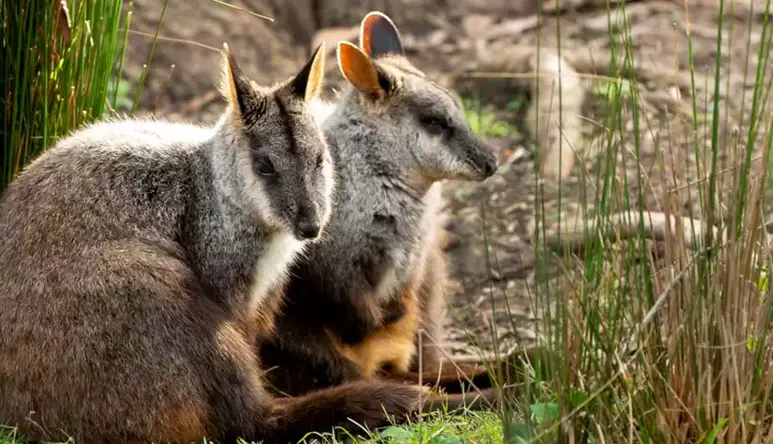
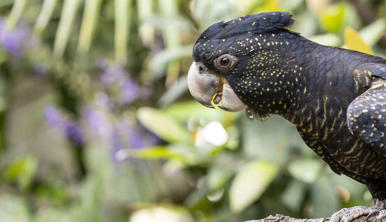
Specially designed clinical examination suites, on‑site laboratory and diagnostic capability will allow wildlife veterinary teams to perform bloodwork, imaging and clinical assessments supporting faster diagnosis and the ability to commence appropriate treatment and care sooner, ensuring pain and suffering are minimised. Care continues well beyond treatment. Ongoing veterinary supervision throughout the stages of rehabilitation ensures animals are receiving their specialised nutritional needs and can progress through regaining fitness for successful release and behaviours they need to survive in the wild. For animals such as birds, reptiles, kangaroos, wallabies, possums, gliders and wombats, our wildlife hospital will provide safety and time and space allowing them to move naturally and behave as they would in the wild, to not just heal physically but mentally, with minimal stress, to be truly ready for release.
The hospital will also support wildlife care across the region, working alongside local veterinary clinics through case advice, referral pathways and Zoos Victoria’s Veterinary Outreach program strengthening the network that cares for wildlife every day.

A regional home for wildlife recovery
The Kyabram Fauna Park Wildlife Hospital will be Victoria’s first dedicated regional wildlife hospital. Purpose‑built for wildlife care, it will support both the animals that arrive through its doors and the people who bring them there.

Kyabram Fauna Park is uniquely placed to serve northern Victoria, providing accessible support for carers and rescue groups across farmlands, waterways and remnant bushland.
The hospital will care for wildlife from across the region while maintaining bio-secure facilities that protect both zoo animals and wildlife.
It will provide:
- Purpose‑built clinical spaces for assessment and treatment
- Two fully equipped clinic rooms
- Advanced diagnostics, including imaging and pathology
- Dedicated laboratory space
- Hospitalisation and specialised rehabilitation facilities supporting fitness for release
“This hospital has been designed thoughtfully from the ground up,” explains Zoos Victoria Project Manager Ryan McDonough, “every space supports best‑practice wildlife care and is created with the functionality of veterinary teams in mind.”
Supporting carers, strengthening communities
State government authorised wildlife shelters are the backbone of wildlife care in regional Victoria. The Kyabram Regional Wildlife Hospital will work alongside them, drawing on their local knowledge and expertise to achieve the best welfare outcomes for wildlife in the region.
A dedicated reception space recognises the practical realities carers face, providing a place of welcome, care and connection, including quiet areas for wildlife to rest and for carers to feed joeys.
Prepared for today and for times of crisis
A regional wildlife hospital also strengthens disaster response preparedness, through supporting the wildlife impacted. During floods, bushfires or extreme heat, wildlife can be impacted at scale, often overwhelming local carers and existing services.
Having a dedicated regional facility with wildlife‑focused infrastructure and expertise allows for coordinated response and timely care when it matters most, helping ensure affected animals receive appropriate treatment and support during critical periods.

Built by and for the community
Kyabram Fauna Park sits at the heart of its local community, and the new wildlife hospital will build on a long‑standing connection between people, place and wildlife.
“People here encounter wildlife every day,” explains Tim Sinclair-Smith, Life Sciences Manager at Kyabram Fauna Park. “These animals are part of the landscape, and there’s a strong sense of responsibility for what happens to them when they’re injured or in trouble.”
Located between two hubs, Shepparton and Echuca, Kyabram Fauna Park is well placed to support wildlife from across the region. For Kyabram, the hospital represents more than new infrastructure. It is a milestone moment for the town and park alike. “This place was started 50 years ago, built on the values of helping native wildlife,” says Tim. “To have a regional wildlife hospital here, will feel like a vindication of that decision. It gives the park a new life and puts Kyabram on the map for something that really matters to its people.”

Will you support regional Victoria and come together for wildlife?
With your support this end of financial year, you can help create a regional home for wildlife recovery. Your tax‑deductible donation will strengthen Zoos Victoria’s wildlife hospital network and ensure wildlife across northern Victoria receives care when it is needed most.
With your generosity, we can protect wildlife today and help build a future rich in wildlife for regional communities across the state.
Other ways to help
There are many ways to support wildlife, including leaving a gift in your Will, fundraising for wildlife, becoming an Animal Adopter or Conservation Partner.